Mulching Mower vs Regular Mower: Which Is Better? (November 2026)
Choose a mulching mower to return fine clippings to the lawn, or a regular mower setup to discharge or collect them. The best fit depends on how often you mow, the condition you cut in and how you want to handle the clippings.
On this page (9 sections)
- Mulching mower vs regular mower: what is the difference?
- Which mower gives a neater finish?
- Is mulching or bagging easier to maintain?
- When should you choose a mulching mower?
- When is a regular mower setup the better choice?
- Does a 3-in-1 mower make sense?
- How do you choose between these mower setups?
- How should you set up and use a mulching mower?
- Which mower mode should you choose?
A mulching mower returns fine clippings to the lawn; a regular mower setup sends clippings away from the deck or collects them. This mulching mower vs regular mower choice comes down to how often you cut, the grass conditions you face and whether you want to clean up clippings afterward.
A mulching mower keeps clippings under the deck long enough to cut them into smaller pieces. A side-discharge mower moves clippings out to the side, while a bagging mower catches them for removal.
“Regular mower” can mean different things. Some mowers only discharge or bag, while others switch between those modes and mulching.
The Senix 21-Inch 144cc 3-in-1 Gas Mower supports all 3, and the PowerSmart offers mulching and side discharge.
 Best for changing lawn conditions
Senix 21-Inch 144cc 3-in-1 Gas Mower

Mulching mower vs regular mower: what is the difference?
A mulching mower cuts clippings into smaller pieces and leaves them on the lawn; a regular mower may discharge or collect them. Since “regular mower” describes a broad group, check which modes the exact model supports.
A mulching blade and deck help keep clippings moving so they can be recut before dropping onto the turf. The smaller pieces are less visible than long strands, especially when the grass is short and dry.
A side-discharge mower directs clippings out from the deck. A bagging mower sends them into a catcher that you empty as it fills.
The modes can overlap on one mower. A model with a mulch plug, bag and discharge chute can work as a mulching mower or a regular mower, depending on how you set it up.
The guide to what 3-in-1 means on a mower explains how mulching, bagging and side discharge work as options on one machine.
What does a mulching mower do with grass clippings?
It cuts clippings into small pieces and returns them to the turf. When the grass is short enough, those pieces spread through the lawn instead of forming a heavy layer on top.
Mulching avoids collecting clippings in a bag, so you don't need to stop to empty one or carry grass to a compost area or yard-waste bin. That makes it a practical choice if you mow regularly and want fewer cleanup steps.
It isn't a good fit for every cut. Long or wet grass can leave clumps, so mow more often, cut in stages or switch to another mode if your mower allows it.
What does a regular mower do with clippings?
A regular mower may discharge clippings to the side or collect them in a bag. The setup determines whether you need to rake, compost or dispose of them after cutting.
Side discharge moves clippings away from the mower as you work. You don't have to stop to empty a catcher, though clippings remain in the yard and may need to be managed for a tidy finish.
Bagging catches grass as you mow, leaving less behind to rake. The trade-off is stopping to empty the catcher and carrying it to wherever you want the clippings to go.
Which mower gives a neater finish?
Mulching can leave a tidy finish when the grass is short and dry enough for clippings to spread. Bagging is a better fit if you want to remove cut grass from view.
The mower mode can't compensate for grass that has grown too long between cuts. A heavy amount of grass is harder to recut and spread evenly, so mulching can leave noticeable clumps.
For an overgrown area, use a mower with a discharge or bagging option if available. The Senix 3-in-1 includes a catcher as well as mulching and side discharge, so you can change modes as conditions change.
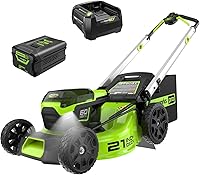
The PowerSmart has a 21 in cutting path, mulching and side discharge, but no bagging mode. It fits buyers who want those 2 ways to handle clippings and don't need a catcher.
Is mulching or bagging easier to maintain?
Mulching means fewer clippings to collect, while bagging contains cut grass for removal. The easier routine is the one that fits how you handle cleanup after each mow.
With mulching, you don't have to carry a full bag to a compost pile or waste bin. You still need to clear grass from the mower as its manual directs and maintain the blade and deck according to the manual.
Bagging adds emptying and transport to the job. It makes sense if you prefer to remove clippings, but plan for the catcher to take up storage space when it's not attached.
Think about where clippings would go before choosing a mode. If you have a suitable compost area, bagging may fit your routine; if you don't want a separate cleanup step, mulching is simpler.
When should you choose a mulching mower?
Choose a mulching mower if you cut regularly and want fine clippings left on the lawn. It suits a routine where returning clippings matters more than collecting them.
Keep the lawn from becoming too long between cuts. That gives the mower a better chance to recut and spread the clippings rather than leave a thick layer on the grass.
A discharge option helps when you occasionally have more grass to cut than the mulching setup can handle cleanly. The PowerSmart switches between mulching and side discharge, while the Senix 3-in-1 also offers bagging.
The best mulching push mowers guide compares models for buyers focused on mulching. For more mower types and sizes, see our push lawn mower buying guide.
Who should choose a mulching mower, and who should skip it?
Pick mulching if you mow often and want to leave short clippings on the lawn; skip a mulch-only setup if your grass often gets long or you want clippings gone. In those cases, look for bagging or discharge, or choose a mower that offers more than one mode.
Mulching suits a maintained lawn where you can cut before the grass gets tall. It also suits someone who doesn't want to stop and empty a catcher or make a separate trip with clippings.
A mulching-only mower is a poor fit if you regularly need to cut long grass in one pass. It can also disappoint if you expect the lawn to look clean after every cut regardless of grass length and moisture.
If you sometimes mulch and sometimes remove clippings, a 3-in-1 mower gives you that choice. The best lawn mowers with a bagger guide is useful if collecting grass is a regular part of your plan.
When is a regular mower setup the better choice?
Choose side discharge or bagging when you don't want cut grass left spread across the lawn. A mower with several modes lets you choose differently when conditions change.
Bagging suits a lawn where visible clippings would bother you or where you want to carry them away for another use. It adds a catcher to empty, so consider how often you expect to stop.
Side discharge suits buyers who want clippings moved away from the deck without carrying a catcher. It doesn't collect the grass, so plan how you'll manage it if a clear lawn surface matters.
The Senix 18-Inch 144cc Gas Push Mower is a side-discharge option with an 18 in cutting path. It offers 3 cutting-height positions but no mulching or bagging mode.
Who should choose a side-discharge or bagging mower?
Pick side discharge if you want to mow without carrying a catcher; pick bagging if you want to collect clippings as you go. Skip a side-discharge-only mower if you need the grass gathered up, and skip bagging if you don't want to empty and carry a catcher.
Side discharge suits straightforward mowing when leaving clippings across the yard isn't a concern. Bagging is more suitable when you want a cleaner surface immediately after mowing or have a use for the collected grass.
These are different cleanup choices, not a single “regular” method. Before buying, check whether the mower includes the mode you need or requires a separate attachment.
Does a 3-in-1 mower make sense?
A 3-in-1 mower makes sense if you'll use mulching, bagging and side discharge. If one mode covers nearly every mow, the added options may not change your routine.
The Senix 21 in mower includes a mulch plug, side-discharge chute and 1.7-bushel grass catcher. Its 6 height settings span 1.25 to 3.75 in.
Those attachments let you change how you handle clippings without buying a second mower. The trade-off is choosing the right attachment for the job and storing the parts you aren't using.
Read what 3-in-1 means on a lawn mower before deciding whether those options match your yard. A mower's label matters less than the modes you expect to use.
How do you choose between these mower setups?
Choose by mowing frequency, grass conditions, cleanup preferences and the modes available on the mower. A quick yard check can help you decide what features will earn their place.
Measure the lawn and note slopes, narrow turns and places where grass tends to grow long before you cut. Our guide to choosing a push mower for your yard covers yard size and other selection factors.
Next, decide what you want to happen to the clippings:
- Choose mulching if you mow often and want fine clippings left on the lawn.
- Choose side discharge if you don't need to collect clippings and want to avoid carrying a catcher.
- Choose bagging if you want to remove cut grass from the lawn.
- Choose a 3-in-1 mower if you expect to switch among all 3 modes.
Compare cutting width and height settings after you settle on a clipping method. A wider path can cover more ground per pass, while height settings let you adjust the cut within the mower's range.
Don't pay attention to mode count alone. A mower with several options only helps if you'll use them, and it still needs to fit your yard and pushing routine.
How should you set up and use a mulching mower?
Use the mulch setup only when the mower is configured for mulching and the grass is suitable for a clean cut. Follow the manual for attachments, cutting height and safe operation.
Install the mulch plug or other approved mulching parts as the manual directs. Before starting, check that any bag or discharge chute is removed or fitted as required for the chosen mode.
Set a regular mowing schedule so you aren't asking the mower to recut a large amount of long grass at once. If the grass is already tall, cut in stages or switch to discharge or bagging when your mower supports those modes.
After mowing, clear grass from the deck and check the blade and other parts as the manual recommends. Keep attachments together so you can change modes without searching for a missing plug or chute.
What common mulching mistakes should you avoid?
The main mistake is trying to mulch too much grass in one cut. Long or wet grass is more likely to gather into clumps instead of spreading as small pieces.
Avoid waiting until the lawn is heavily overgrown and expecting one pass to leave a fine finish. Cut in stages if needed, and use another supported mode to handle the excess grass.
Don't assume every mower can mulch because its blade looks similar to another model's. Use the parts and setup approved for your mower, and don't block a discharge opening unless its manual calls for a mulch plug.
Finally, don't treat “mulching” as a substitute for mower care. Clear buildup and maintain the blade and deck on the schedule in the manual.
Which mower mode should you choose?
Choose mulching if you mow regularly and want short clippings returned to the lawn; choose bagging or side discharge if you want another way to handle cut grass. Pick a mower with multiple modes when you'll use them, such as the Senix 3-in-1.
The PowerSmart suits buyers who want mulching and side discharge in a 21 in mower. The 18 in Senix suits buyers who want side discharge alone, while the Senix 21 in 3-in-1 adds a catcher for bagging.
For the mulching mower vs regular mower decision, choose a mulching setup for frequent cuts and little cleanup, a bagger for collecting grass, or side discharge when you want to mow without a catcher. Compare options in our best mulching push mowers guide, then follow the mower manual for setup and care.
For lawn-specific guidance, see the University of Minnesota Extension's lawn care advice.
Frequently asked questions
What is the difference between a mulching mower and a regular mower?
A mulching mower recuts grass into smaller pieces and returns them to the lawn, while a regular mower may send clippings out the side or collect them in a bag. Some mowers offer both kinds of setup.
Check the modes on the model you are considering before you buy.
Does a mulching mower need a special blade?
It needs a blade and deck setup intended to recut clippings before they fall back onto the lawn. Mower designs differ, so use parts approved for your model and follow its manual when changing modes or replacing a blade.
Can you mulch long grass?
Mulching works best when you mow often enough to avoid leaving a heavy layer of clippings. For overgrown grass, cut in stages or use a discharge or bagging mode if your mower supports it.
Resume regular mowing once the grass is shorter.
Is a 3-in-1 mower better than a mulching mower?
A 3-in-1 mower can mulch, bag and side discharge, so it suits a yard where clipping needs change. A mower with fewer modes may suit you if you mainly mulch and want a simpler setup.
Choose by the modes you'll actually use.
Do grass clippings cause thatch?
Short clippings spread across the lawn can break down, while thatch is a layer of roots, stems and other material. They aren't the same thing.
Avoid leaving thick clumps, which can sit on top of the grass and spoil the finish.