Push Lawn Mowers Explained: Types, Sizes and Picks
A push lawn mower is a walk-behind mower you move by hand. Choose gas or battery power for larger lawns, corded electric for a small yard near an outlet, or a reel mower for a small, regularly cut lawn.
On this page (6 sections)
A push lawn mower is a walk-behind mower you move by hand. Gas and battery models suit many larger lawns, corded electric models fit small yards near an outlet, and reel mowers work best when you cut a small lawn regularly.
Start with your lawn's area, grass conditions, slopes and storage space. Then choose a power type and cutting width that fit how you mow.
What types of push lawn mowers can you choose?
The main types are gas, battery, corded electric and manual reel. Each trades convenience, reach and upkeep differently.
| Type | Good fit | Main trade-off |
|---|---|---|
| Gas rotary | Larger or rougher lawns, or mowing without a charge break | Needs fuel and engine care |
| Battery rotary | A cord-free option with push-button starting | Runtime depends on battery and mowing conditions |
| Corded electric rotary | Smaller lawns with an outdoor outlet nearby | The cord limits reach and needs attention while mowing |
| Manual reel | Small lawns you can cut often | Less suited to tall grass and wet conditions |
Gas and battery mowers usually use a rotating blade beneath a deck. Corded electric models use the same general rotary approach, with power coming from an outlet through a cord.
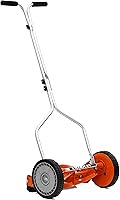
A reel mower cuts with rotating blades that pass against a bed knife. It is pushed entirely by you and does not need an engine, battery or power cord.
Which push lawn mower power source fits your yard?
Choose based on where you can mow and how long the job takes. Your lawn's size matters, but so do obstacles, slopes, outlet access and whether you want to manage fuel or charging.
Is a gas push mower right for you?
A gas mower suits a lawn where a cord would be awkward or a battery's runtime may not cover the job. You can refill it and continue, but you'll need to handle fuel and follow the engine maker's care instructions.
Gas models vary in cutting width, engine size and weight. The Senix 20-Inch 144cc Gas Push Mower has a 20-inch cutting width, a 144cc engine and a three-position height adjustment.
Its cutting heights are 1.35, 2.3 and 3.15 in.
Check whether you can store fuel safely and whether engine upkeep fits your routine. For a more detailed comparison, see our best gas push mowers.
Is a battery push mower a good fit?
A battery mower suits buyers who want cord-free mowing without a gas engine. Runtime varies with grass condition, battery charge and mowing technique, so match the stated coverage to your lawn rather than assuming a fixed run time.
The Greenworks 25322 40V 16-Inch Push Mower comes with a 4.0Ah battery and charger. It can cut up to one-third acre on a full charge, with coverage varying by grass condition and operator technique.
Its 2-in-1 system supports mulching and rear bagging, and it has five cutting-height positions. Read our gas vs battery push mower comparison if you're weighing runtime against fuel and engine care.
When does a corded electric mower make sense?
A corded mower can fit a small lawn where an outdoor outlet is within practical reach. You don't need to charge a battery or refill a gas tank, but you must plan the cord path and keep it clear of the cutting area.
The LawnMaster MEB1114K 15-Inch Corded Mower has a 15-inch cutting width, a grass collection bag and six height positions. Its cutting height ranges from 1 to 3 in, and its handles fold for compact storage.
Before buying, trace the route around trees, beds and corners, and check that the cable can reach the farthest point safely. Our corded electric mower guide covers the trade-offs in more detail.
Who should consider a reel mower?
A reel mower is a fit for a small lawn you can cut frequently. It needs no fuel, battery or cord, but manual effort rises when the grass gets tall or the yard is uneven.
The American Lawn Mower 1204-14 14-Inch Reel Mower has a 14-inch cutting width and a manual reel. It can cut grass up to 4 in tall, works less effectively on taller grass, and should not be used on wet grass.
For best results, cut no more than one-third of the grass blade at a time. See our best reel mowers for small lawns for more options.
What cutting width should you choose?
A wider cutting width covers more ground per pass, while a narrower mower can be easier to fit through tight spaces and around obstacles. Compare deck width with your gate openings, storage area and the shape of the lawn.
These examples show how widths differ across mower types:
| Mower | Cutting width |
|---|---|
| American Lawn Mower 1204-14 reel | 14 in |
| LawnMaster MEB1114K corded | 15 in |
| Greenworks 25322 battery | About 16 in |
| Senix 20-inch gas push mower | 20 in |
The Greenworks model's stated cutting width is 15.67 in, which is commonly described as 16 in. Wider does not always mean faster if a mower is hard to turn around beds or move through a narrow gate.
Measure the mower's full outside dimensions too. A deck can clear a gate while the handle or wheels do not.
For a yard-specific width guide, read what size push mower fits your yard.
How do grass, slopes and obstacles affect the choice?
Grass height and terrain change how much effort a mower needs. Tall, wet or thick grass can slow a mower and make the cut harder, while slopes and frequent turns add pushing and steering work.
A reel mower is less effective on tall grass and should not be used on wet grass. For a rotary mower, check the height settings and use a suitable setting for current conditions.
A wider deck can cover more grass in one pass, but may be less convenient around trees, narrow strips or tight corners. If the lawn has slopes, consider whether you can comfortably push the mower across them, and check the manual for safe operating guidance.
For a steep or tiring route, a self-propelled mower may be easier to guide than a standard push model. The Senix 22-Inch 201cc Variable-Speed Self-Propelled Mower has a 22-inch cutting width, six height positions from 1.25 to 4 in, and bagging, mulching and side-discharge modes.
This model weighs 79 lb, so consider storage, transport and turning space before choosing it. Self-propelled describes the wheel drive; it is still a walk-behind mower.
What should you check before buying?
Check fit, cut settings, clipping handling and storage before settling on a mower. A model with the right power source can still be awkward if it will not fit through a gate or does not handle clippings the way you want.
- Measure your lawn and narrowest gate. Include paths, corners and storage access.
- Check the cutting width and full mower dimensions. Make sure both fit your route and storage spot.
- Compare height settings. Look for a range that suits your grass and preferred cut.
- Decide how to handle clippings. Options can include bagging, mulching or side discharge, depending on the mower.
- Account for power needs. Consider fuel and engine care, battery charging, cord reach or manual effort.
- Think about weight and handling. You may need to lift, turn or store the mower after each use.
For a step-by-step decision path, use our guide to choosing a push mower. If you are comparing upkeep and expected service life, see how long push mowers last.
Which push lawn mower should you pick?
Choose gas for mowing without cord or charge limits, battery for cord-free use without a gas engine, corded electric when an outlet can reach a small lawn, or reel for a small lawn you can mow often. If pushing effort is the main concern, consider a self-propelled walk-behind model and check its weight and storage fit.
Next, compare widths and controls for your yard. Our push mower buying guide helps turn those needs into a short list.
Frequently asked questions
What is a push lawn mower?
A push lawn mower is a walk-behind mower that you move forward by pushing the handle. It can use a gas engine, a battery, a power cord or a manual reel.
A self-propelled mower also has drive power to move its wheels, so you guide it instead of supplying all the forward force.
What size push lawn mower should I get?
Choose a cutting width that suits your lawn and storage space. A narrower deck can be easier around obstacles and in tight storage, while a wider deck covers more ground per pass.
Compare the mower's full dimensions and consider gates, turns, slopes and how much grass you cut at once.
Are reel push mowers good for every lawn?
A reel mower can suit a small lawn that you cut often and keep within the mower's height range. It needs no fuel, battery or cord, but it can struggle with tall or wet grass.
Check your grass type, lawn size and preferred cutting height before choosing one.
Is a battery push mower better than a gas mower?
A battery mower avoids gas and a pull start, while a gas mower can keep running without a recharge break. The better fit depends on lawn size, grass conditions, storage and your tolerance for charging or engine upkeep.
Check the battery's stated coverage and treat it as dependent on mowing conditions.
Can a self-propelled mower still be a push mower?
Yes. Push mower can describe the walk-behind form, while self-propelled describes how the mower moves.
A self-propelled model drives its wheels and reduces the force you supply; a standard push model relies on you to move it forward.